
Your website is online 24/7. While you’re sleeping, working, or away from your business, people can still visit your site, explore your services, and learn about your brand.
But being online doesn’t automatically mean your website is working for you.
A website should do more than simply display information. It should help visitors find what they need, build trust, answer important questions, and guide them toward the next step.
In other words, your website should work as a digital business tool — not just an online brochure.
So, how can you tell whether your website is actually doing its job?

1. A Website Should Do More Than Exist
A website can be online all day and still do very little for your business. Simply having a homepage, service pages, and contact information doesn’t mean visitors will take action.
Instead, your website should have a clear purpose. It should answer your visitors’ questions, explain what you offer, and make it easy for them to move forward.
For example, a potential customer should be able to understand what your business does within seconds. They should also know where to find your services, how to contact you, and what makes your business worth considering.
The goal isn’t just to keep your website online. The goal is to make every visit useful.

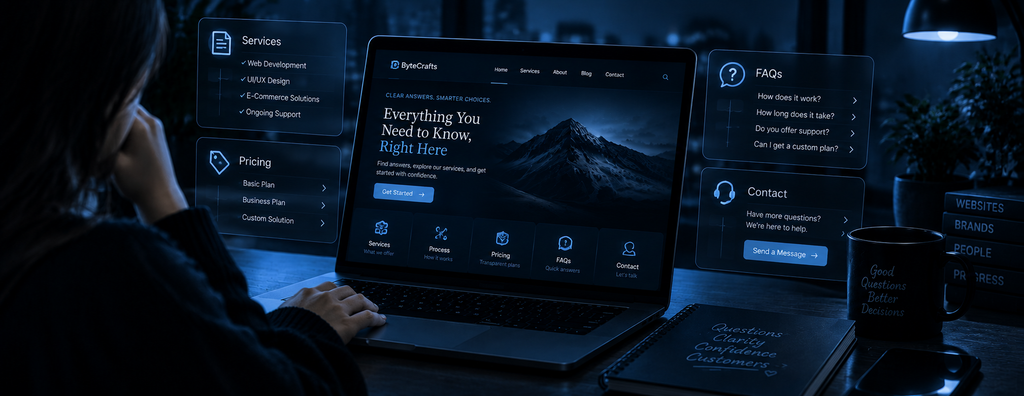
2. Your Website Should Answer Questions Before Customers Ask
When visitors arrive on your website, they usually have questions. They want to know what you offer, how it works, what it costs, and why they should choose you.
If your website doesn’t provide these answers clearly, visitors may leave and look elsewhere.
A useful website anticipates these questions and provides the right information at the right time. Clear service descriptions, FAQs, pricing details, contact information, and helpful content can make the decision much easier.
Moreover, clear information reduces confusion and helps visitors feel more confident about taking the next step.
Your website should be able to start the conversation before you ever speak to the customer.
3. A Good Website Makes Every Click Feel Easy
Visitors should not have to work hard to use your website. If they have to search through confusing menus, click through too many pages, or struggle to find basic information, they may simply leave.
A smooth user experience keeps people moving in the right direction. Your navigation should be simple, your pages should load quickly, and important information should be easy to find.
Mobile experience matters too. Many people browse websites from their phones, so your website should look and work properly on smaller screens.
Ultimately, good technology should feel simple to the person using it.

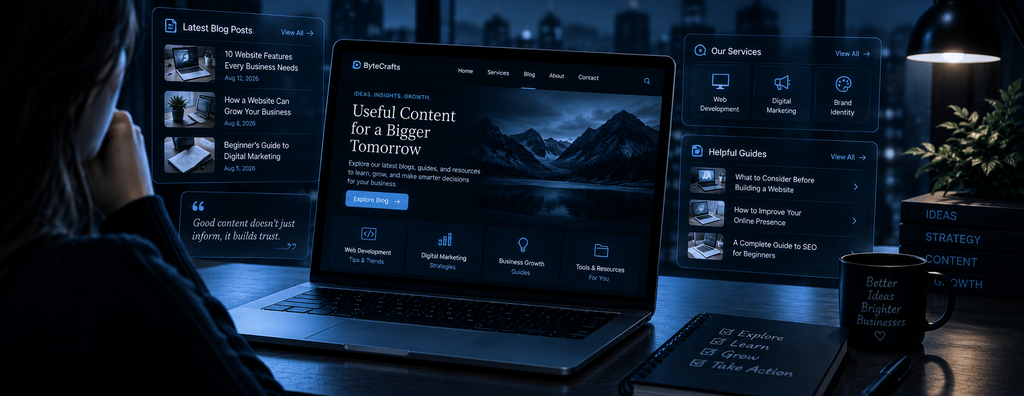
4. Your Website Should Give Visitors a Reason to Stay
Getting someone to visit your website is only the first step. The next challenge is giving them a reason to stay and explore.
For example, useful content, clear visuals, helpful guides, and relevant information can keep visitors engaged for longer. When people find something valuable, they are more likely to explore your services and learn more about your business.
Your website should also make it easy to move from one useful page to another. Related services, blog posts, FAQs, and clear navigation can help visitors discover more without feeling lost.
As a result, a website that keeps visitors engaged has more opportunities to turn interest into action.
5. Trust Is Part of the Website Experience
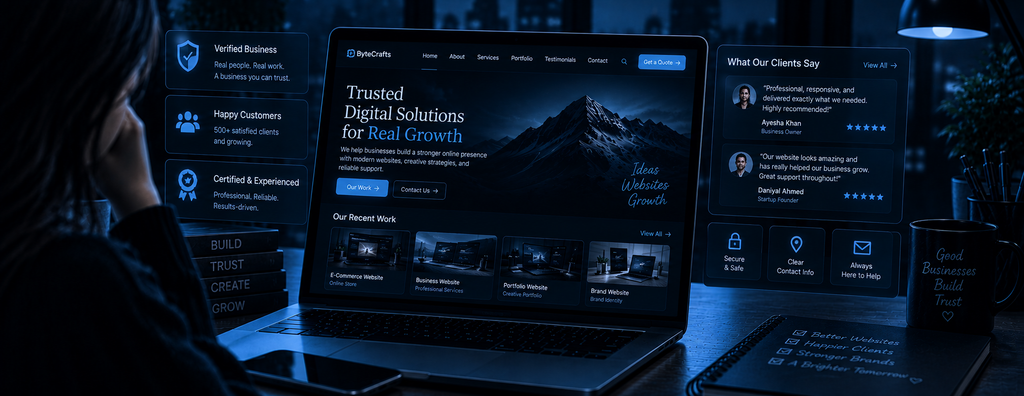
People don’t just look at what you sell. They also look for reasons to believe that your business is reliable.
Your website can build that confidence by showing real information about your business, clear contact details, customer reviews, previous work, certifications, or other proof of credibility.
For instance, a visitor who can easily find your work and understand who is behind the business may feel more comfortable taking the next step.
Your website should answer an important question in the visitor’s mind: “Can I trust this business?”
The more clearly your website communicates that answer, the easier it becomes for visitors to move forward.
6. A Website Should Grow With Your Business
Your business will change over time, and your website should be able to change with it. New services, products, campaigns, content, and customer needs may all require updates.
Therefore, a website shouldn’t be treated as a one-time project that never changes. Regular updates, performance checks, security improvements, and fresh content can keep it useful and relevant.
You can also use website analytics to understand how visitors interact with your pages. This information can help you identify what people like, where they leave, and which pages need improvement.
Over time, these small improvements can turn your website into a stronger digital asset for your business.

Your Website Should Work While You Do
Your website may be available 24/7, but availability is only the beginning. A truly useful website helps visitors understand your business, find answers, build confidence, and take action.
If your website is not doing those things, it may be time to look beyond its appearance and focus on how well it actually works.
The best websites aren’t simply online. They are designed to support real people and real business goals.